Sandhills Area Research Association
In the South Plains of Texas, where rainfall is scarce and every drop of groundwater carries weight, stewardship is a daily practice. The Sandhills Area Research Assocation (SARA) is a farmer-founded, producer-centered nonprofit working at the intersection of agriculture, conservation, and community priorites. Through partnerships, applied research, and on-the-ground outreach, SARA supports landowners and producers in navigating complex water challenges while advancing practical, locally driven solutions.
SARA’s work is rooted in the belief that conservation is most effective when it is practical, voluntary, and shaped with producers rather than imposted on them. Often, its role is to bring the right people together, translate ideas into action, and help build resilience for both the land and the communities tied to it.
Platforms such as SARA’s Conservation Stories podcast and Dry Side Dispatch radio show extend these efforts by elevating conversations around stewardship, water challenges, innovation, and the future of rural communities. Alongside partnerships in areas like remote sensing, playa restoration, and applied conservation outreach, these tools help producers better understand their options and make informed decisions in a region facing increasing pressure on water resources.
SARA grew out of recognition that producers in the region needed a trusted, agriculture-rooted organization that understood both the realities of farming and the importance of resource stewardship. What began as relationship-based conversation support has evolved into a broader platform that includes education, outreach, producer assistance, and collaboration with partners ranging from local landowners to research institutions. In 2026, SARA launched the West Texas Natural Resources Stewards Meeting to expand collaboration, build capacity, and connect conservation efforts with potential partners and investment.
Supporting Agriculture & Land Stewardship
SARA supports producers by helping bridge the gap between information and implementation, connecting landowners to restoration opportunities, sharing conservation strategies that improve water efficiency, and translating research into tools that are useful in the field.
The challenge is straightforward but difficult to solve –– producers must remain economically viable while groundwater becomes more limited and less predictable. They are balancing crop needs, infrastructure costs, weather variability, and the reality that less water may be available in the future. When natural systems like playas are degraded by sedimentation or past modifications, the landscape also loses part of its ability to capture and move water effectively.
%
In the High Plains, about 95 percent of water-level declines have been documented across much of the region.
Playa Restoration
The South Plains sits within the broader High Plains region, where limited rainfall, high evaporative demand, and reliance on the Ogallala Aquifer define both the landscape and agricultural production. In many areas, groundwater withdrawals exceed natural recharge, making long-term stewardship critical for the region’s future. Playas, natural depressional wetlands scattered across the landscape, play an important role in capturing rainfall, reducing runoff, supporting habitat, and contributing to recharge under the right conditions. Though small in footprint, their impact is significant.
Through playa restoration and producer outreach, SARA helps landowners better understand how these systems function and what restoration can involve. When playas are degraded or disconnected from their natural processes, the loss extends beyond a single feature, it affects water movement, ecological function, and overall landscape health. Restoration helps return that function in ways that benefit both agriculture and the environment.
A typical restoration project begins with building trust and clarity. Landowners are provided with a clear understanding of the process, potential benefits, and what participation entails. From there, projects may include site evaluation, coordination with technical partners, and targeted improvements such as sediment removal or hydrologic adjustments.
While restoration improves the function of individual playas, the benefits extend beyond the immediate site. These efforts can enhance infiltration, reduce runoff, support habitat, and encourage more holistic land management decisions. Successful projects are collaborative and grounded in the realities of each operation.
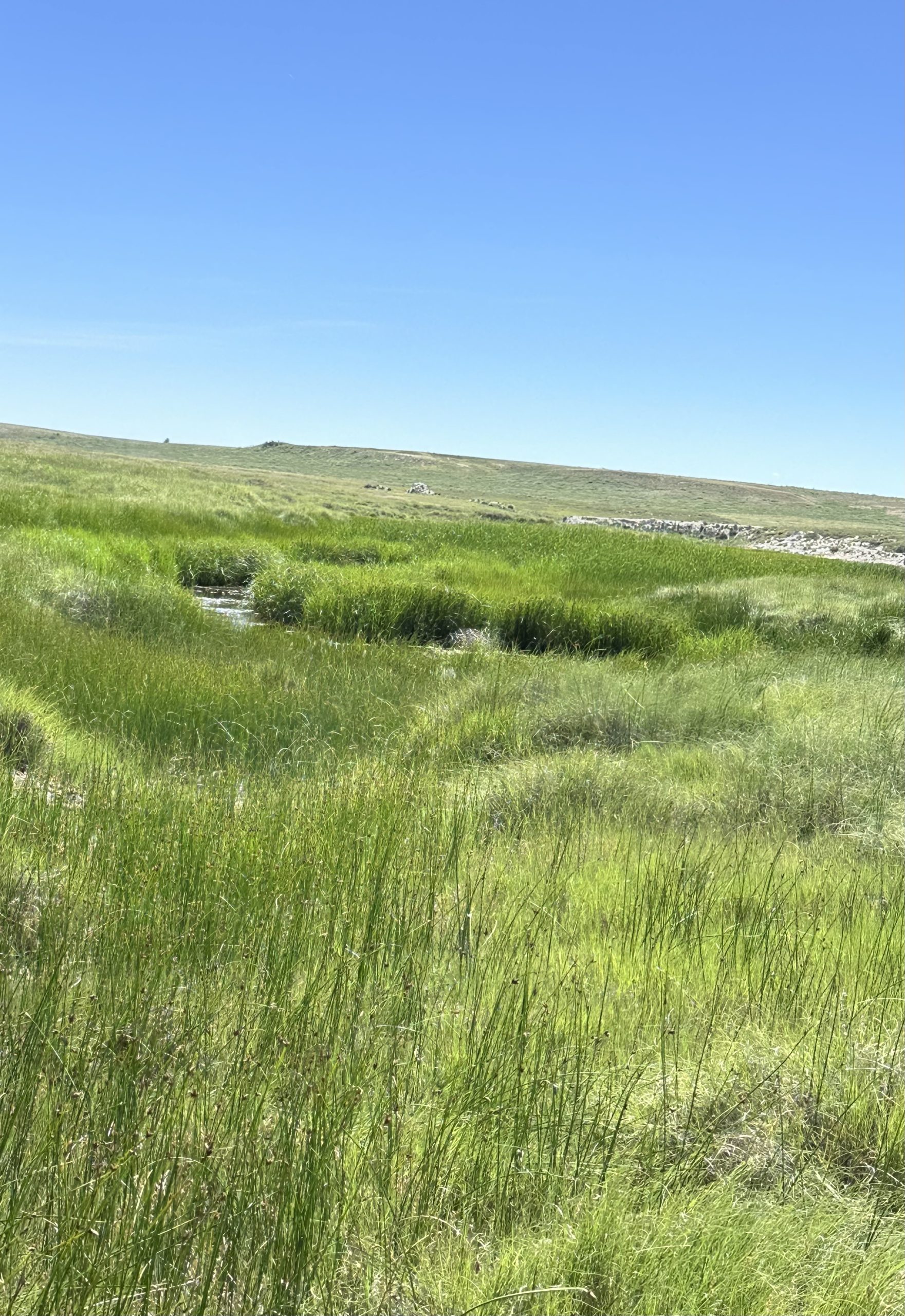
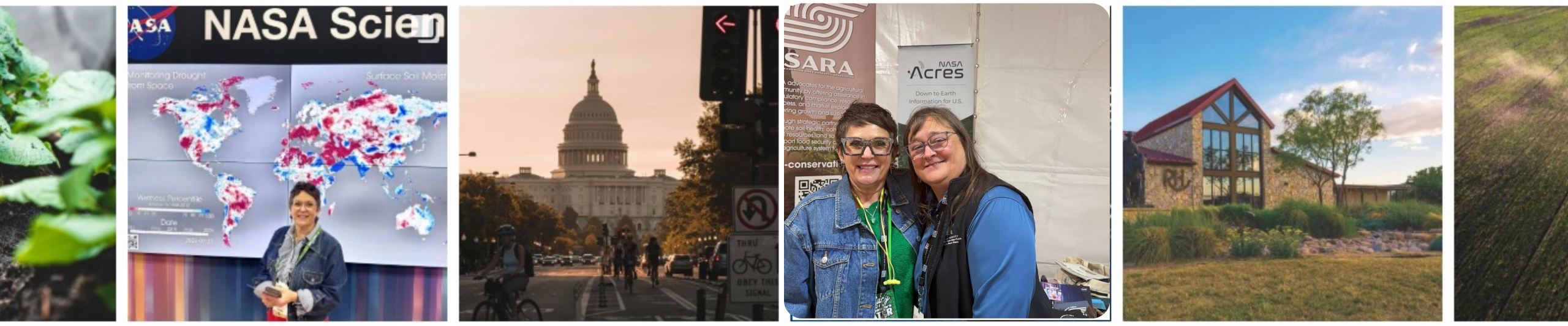
The image on the left shows restored springs on the Cotter Ranch in Bailey County, where invasive species removal helped return flow. The springs remain wet year-around but may pause during nearby irrigation.
Water Conservation Through a Producer Lens
While playa restoration is one piece of the puzzle, advancing water conservation across the High Plains requires a broader, more integrated approach. For SARA, that means aligning sound science with the economic realities producers face every day. From SARA’s perspective, the most effective strategies are the ones that respect both hydrology and economics. That means improving decision-making with better data, protecting the most valuable working lands, restoring landscape features like playas that help water move and function naturally, and supporting voluntary conservation approaches that producers can realistically adopt.
It also means being honest that conservation will not be advanced by messaging alone; it requires trusted relationships, technical support, and practical pathways that fit local operations. In the Plains region, water conservation succeeds when it is tied to stewardship, profitability, and long-term community resilience all at once.
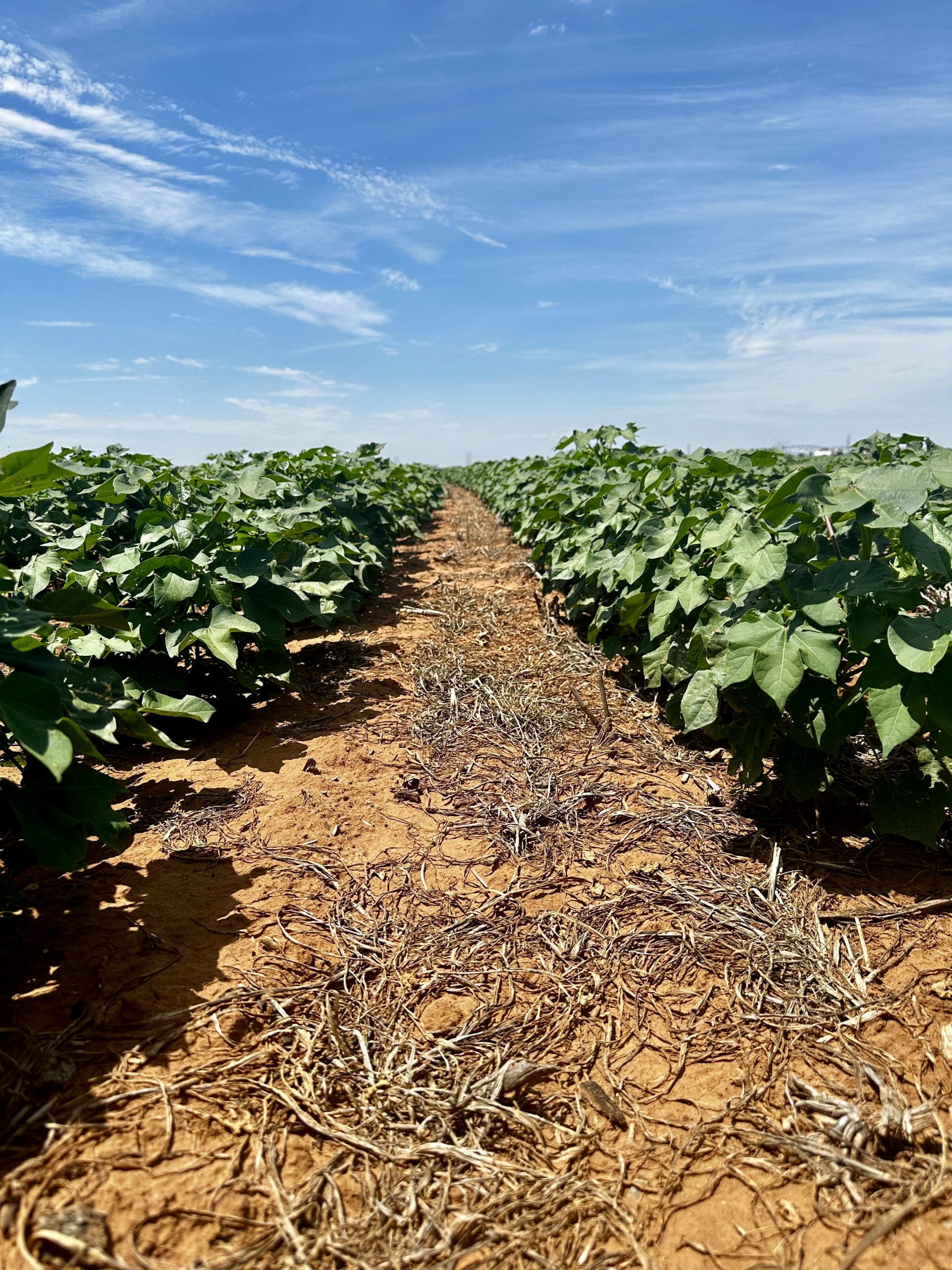
The image on the right shows cotton growing in grain sorghum stubble in Lamb County. The field is divided into thirds for efficient irrigation and managed through a rotation of wheat, grain sorghum, cotton, and cattle.
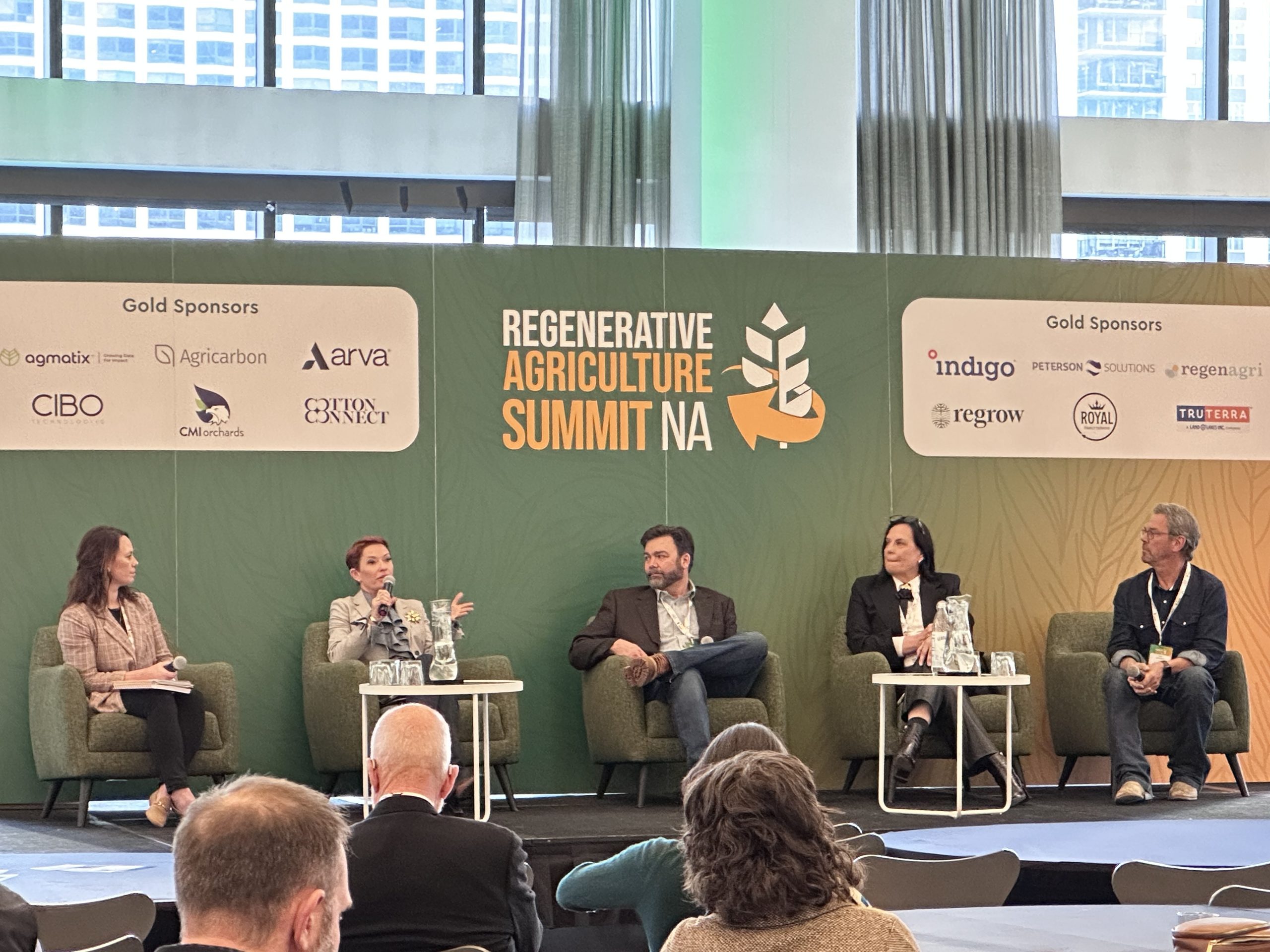
Lacy Cotter-Vardeman in Chicago, IL, representing farmers at conferences across the country helping to ensure the realities of farming are accurately represented.
Looking Ahead
Looking forward, SARA is focused on strengthening the connection between stewardship, emerging tools, and expanded partnerships. Opportunities continue to grow in translating research into practical application, building support systems for producers, and developing models that can be adapted in similar regions.
Several initiatives reflect that forward momentum, including the expanding participation in the NASA Acres Network, connecting producers with research initiatives that reflect real-world conditions, and increasing access to tools like NDRIP soil moisture probes to support more informed irrigation decisions.
SARA is also working with partners such as Texan by Nature, Ducks Unlimited, and Playa Lakes Joint Venture through initiatives like Tomorrow’s Water to advance playa restoration and awareness. At the same time, the organization is investing in the next generation by engaging students in conservation work, including opportunities to gain skills such as licensed drone operation, linking technology, stewardship, and workforce development.
One of the biggest misconceptions is that agricultural producers do not care about conservation. In reality, many producers are deeply aware of resource limitations because they live with them every day. Another misconception is that conservation is simple if people would just change. The truth is that producers are balancing risk, cost, timing, markets, weather, labor, and legacy, often all at once. Good conservation requires more than good intentions. It requires solutions that actually work on real operations.
Partnerships are central to this work. Landowners bring local knowledge, researchers contribute technical insight, and agencies provide resources and structure. SARA often serves as the connector between these groups, helping move ideas from concept to implementaion while strengthening trust and collaboration.
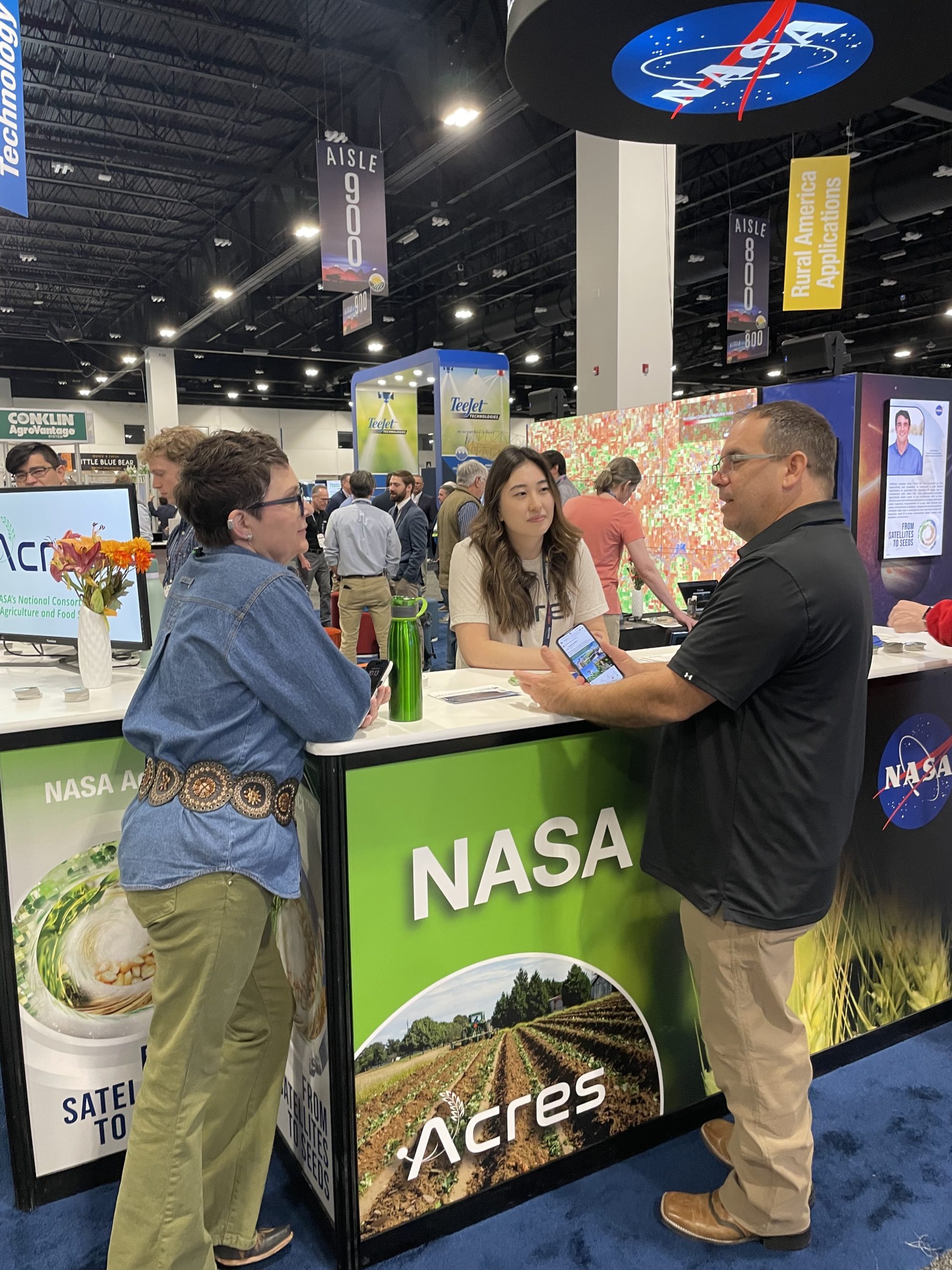
Tillery Timmons-Sims works to recruit producers to participate in the NASA Acres project, supporting on-farm research to make innovation and data (tax payer funded) applicable and accessible to farmers.
The Time is Now
Across these effots, a clear them emerges, the importance of acting early. Delayed action reduces options, increases costs, and places additional strain on both agricultural operations and rural communities. Conservation is most effective when it is proactive and grounded in decisions made while there is still time to influence outcomes. For those involved in this work, the urgency is personal. It reflects both the resilience and vulnerability of working lands, and the need for practical, forward-looking solutions.
Trust, Clarity, & Conversations
For SARA’s Director of Operations, Tillery Timmons-Sims, the most meaningful moments are often the simplest, conversations where perspectives begin to shift and new possibilities emerge. Whether it is a landowner reconsidering the value of a playa or a producer discovering toosl that better fit their operation, these moments reflect how lasting change begins.
As she shared, quoting Robert Mace, “there is no silver bullet; what we need is gold buckshot.” The challenges facing water resources are complex, and progress often comes through a combination of small, practical steps. SARA’s work reflects that approach of helping producers identify the right mix of tools, relationships, and strategies to move forward in meaningful ways.
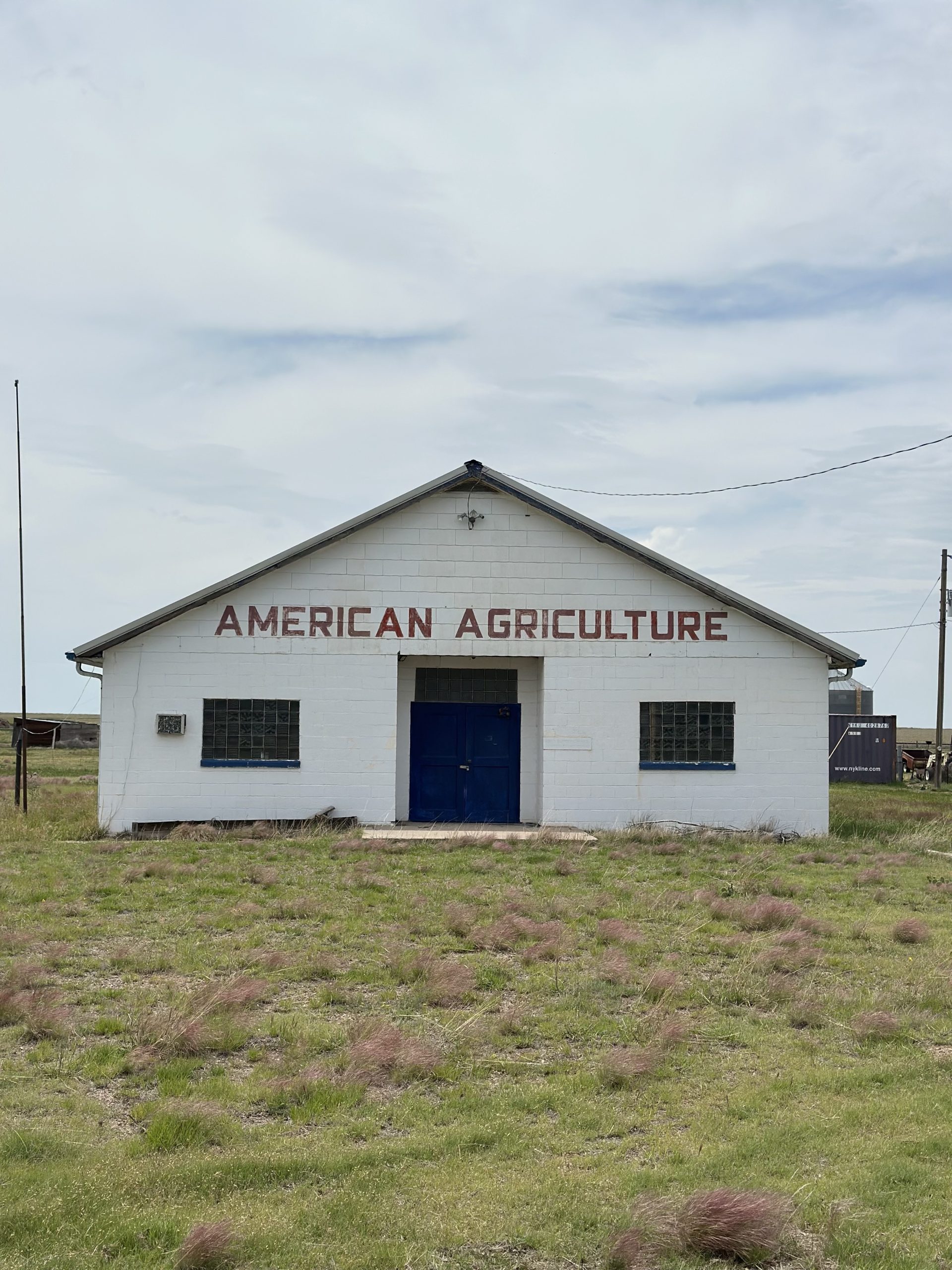
The building on the left was found in Campo, Co., while traveling miles and miles to raise awareness of the value of western Texas.
The content for this article was provided by Director of Operations, Tillery Timmons-Sims.