
Building a Culture of Conservation in One of Texas’ Fastest Growing Counties
In Montgomery County, change isn’t coming slowly. It’s arriving in subdivisions, new industries, expanding infrastructure, and a population projected to grow by 108% by 2060 (TDC Projections). For the Lone Star Groundwater Conservation District (LSGCD), that pace of growth doesn’t just shape policy discussions, it shapes how the district thinks about stewardship, science, and community.
As Lone Star GCD marks its 25th anniversary, the district is reflecting not only how far it has come, but on how groundwater management must evolve for the decades ahead. The district is in what might be described as a “new construction phase”, as staff work to build a culture of conservation through relationships, cohesive planning efforts, and programming within their community.
To capture this milestone, LSGCD plans to create a time capsule to be opened at its 50th anniversary, preserving a snapshot of the county’s growth and the district’s mission to protect groundwater for future generations.
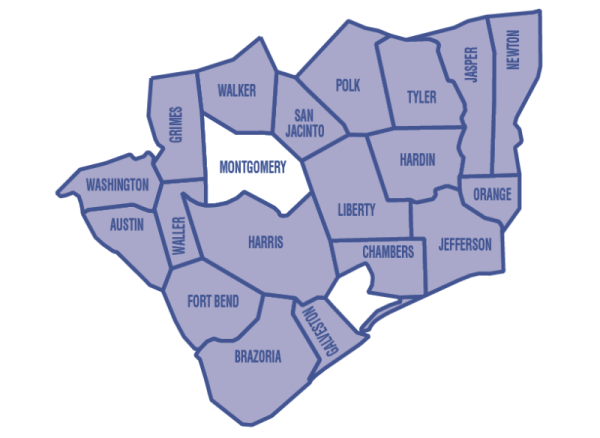
District Snapshot
- Created in 2001 in Conroe, Montgomery County
- Gulf Coast, Jasper, Evangeline, Chicot, and Catahoula Aquifers
- 13 Staff Members
- 7 Elected Board Directors
- GMA 14 and Region H
A District Defined by Growth and Responsibility
Created by the Texas Legislature in 2001 and serving Montgomery County from its headquarters in Conroe, Lone Star GCD operates in a region where growth pressures are constant and complex. Municipal demand drives much of the county’s groundwater use, supporting schools, hospitals, businesses, and rapidly expanding residential communities. The top two groundwater producers in Montgomery County are the City of Conroe and the San Jacinto River Authority. That growth brings opportunity, but it also places a magnifying glass on groundwater policy. Managing one of the most productive portions of the Gulf Coast Aquifer system requires not only regulatory oversight, but strong collaboration with local governments, water providers, and regional partners.
Science, Data, and the Tools for Tomorrow
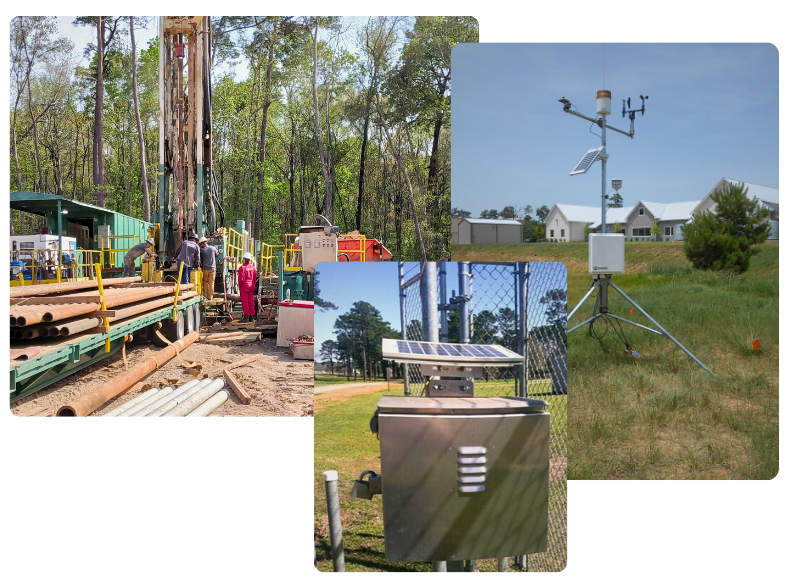
Over the past several years, Lone Star GCD has made significant investments in the science that underpins groundwater decision making. The district completed a four-year subsidence study and coring project to improve understanding of aquifer conditions and long-term compaction risks. This work fed directly into an updated groundwater availability model approved by the Texas Water Development Board, strengthening the technical foundation for joint planning across the region.
The district continues to expands its monitoring network, including GPS stations and well monitoring systems designed to track aquifer performance in real time. These tools allow the district to move toward proactive, data-driven planning.
Investing in the Next Generation of Water Stewards
Lone Star GCD recently launched its Rain for Tomorrow Conservation Initiative, which pairs a countywide rainwater harvesting program with a high school scholarship opportunity to help build a lasting culture of conservation. By connecting student opportunity with hands-on conservation practices, the district is investing in both career readiness and broader conservation adoption throughout the community.
The district also continues its longstanding support for cornerstone organizations such as the Texas 4-H Water Ambassadors and the Montgomery County Fair & Rodeo, extending its outreach to youth and strengthening community awareness around groundwater.
Conservation in Action
“Our team is not only talented but dedicated. Every day at our office, our staff leads by example and walks a culture of service,” said Sarah Kouba, General Manager.
Kouba emphasized that a strong culture of service underpins the district’s work. “We strive to do our best work every day and to constantly challenge ourselves to improve, adapt, and lead. A GCD is a complex machine with many moving parts, and as general manager, I’m focused on making sure each piece is aligned so we can move forward as one, for our team and for the district.”
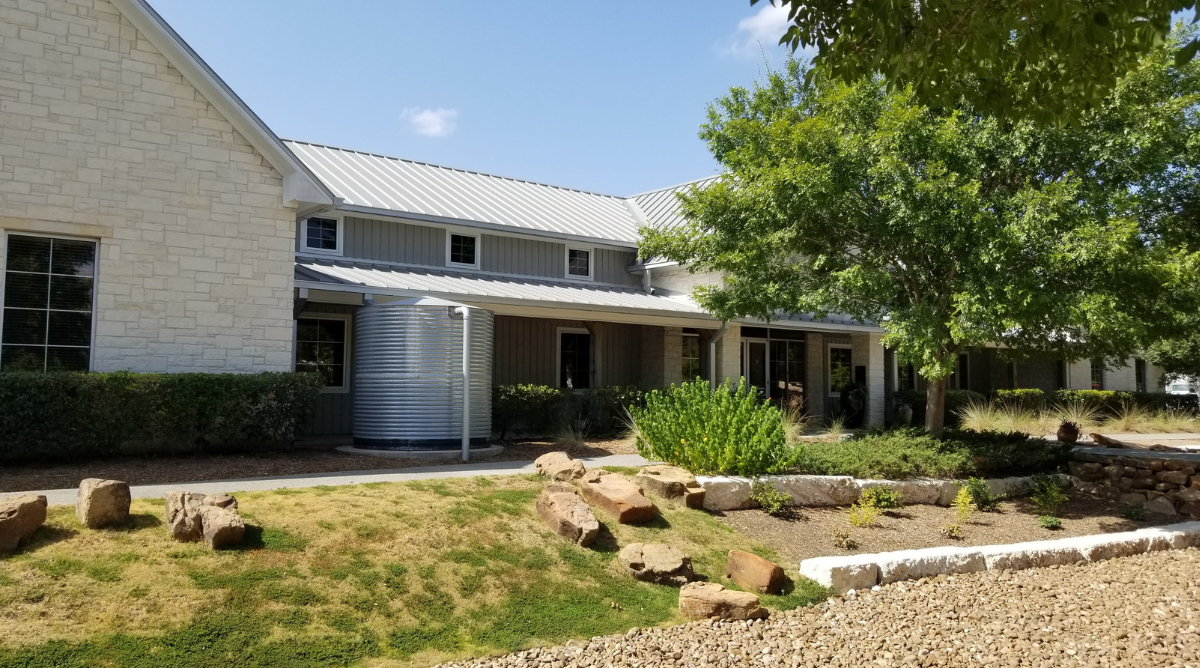
That mindset is visible the moment visitors arrive at the district’s office. The grounds serve as a living demonstration site, showcasing water gardens, native landscaping, drip irrigation, and rainwater harvesting systems that help residents see conservation in practice.
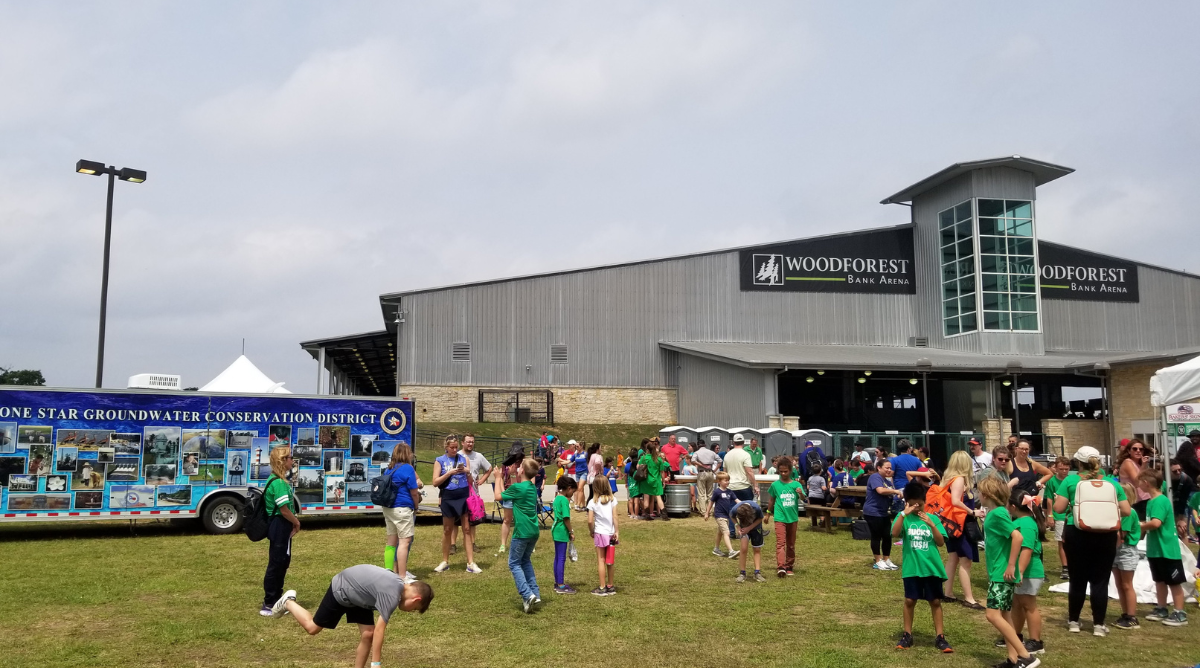
Beyond the office, the district’s mobile lab brings groundwater education directly into the community, expanding outreach opportunities and strengthening conservation awareness across Montgomery County. Lone Star’s Conroe headquarters also hosts a regional weather station, further supporting the data and tools that guide local water planning.
District Mission
Our mission is to be transparent and judicious stewards of Montgomery County’s groundwater. We use the law and the best available science in decision-making processes and policies. We prioritize the highest practicable production of our aquifers while mindfully balancing the protection of private property rights and conservation for present and future generations.
Thank you to Sarah Kouba, General Manager, and Rebekah Schlichting, Education & Outreach Coordinator, for their time and contributions to this featured article.